Empowering Patients: The Ultimate Guide to Cancer Awareness and Support
Facing a cancer diagnosis can turn your world upside down. Suddenly, you're flooded with questions about treatment, support, and long-term recovery. Who can you turn to? What resources are available? This journey through cancer isn’t just a medical battle; it’s an emotional voyage that demands competence, support, and a plan. Understanding the landscape of oncology news, patient advocacy, and cancer awareness can empower you in ways you might not expect. So, let's dive into the essential resources that will help you navigate the cancer journey with confidence and resilience.
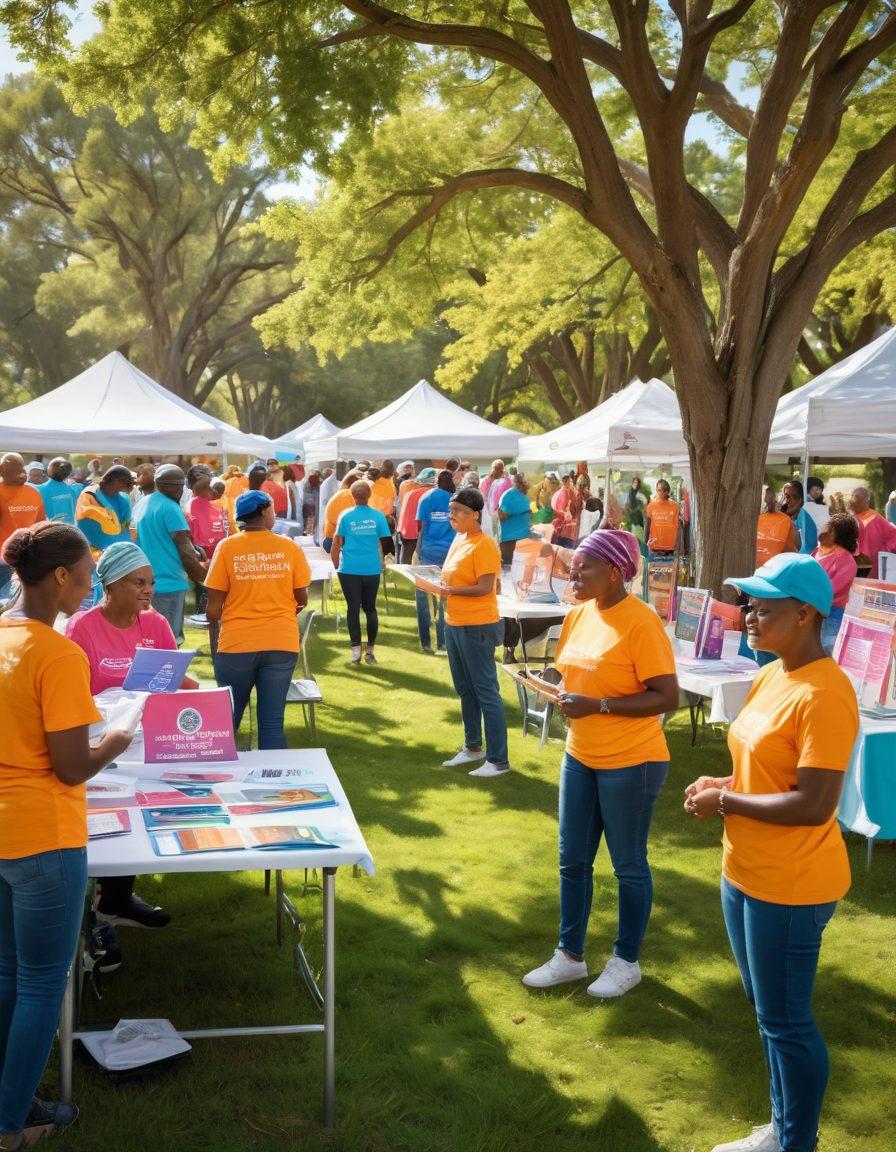
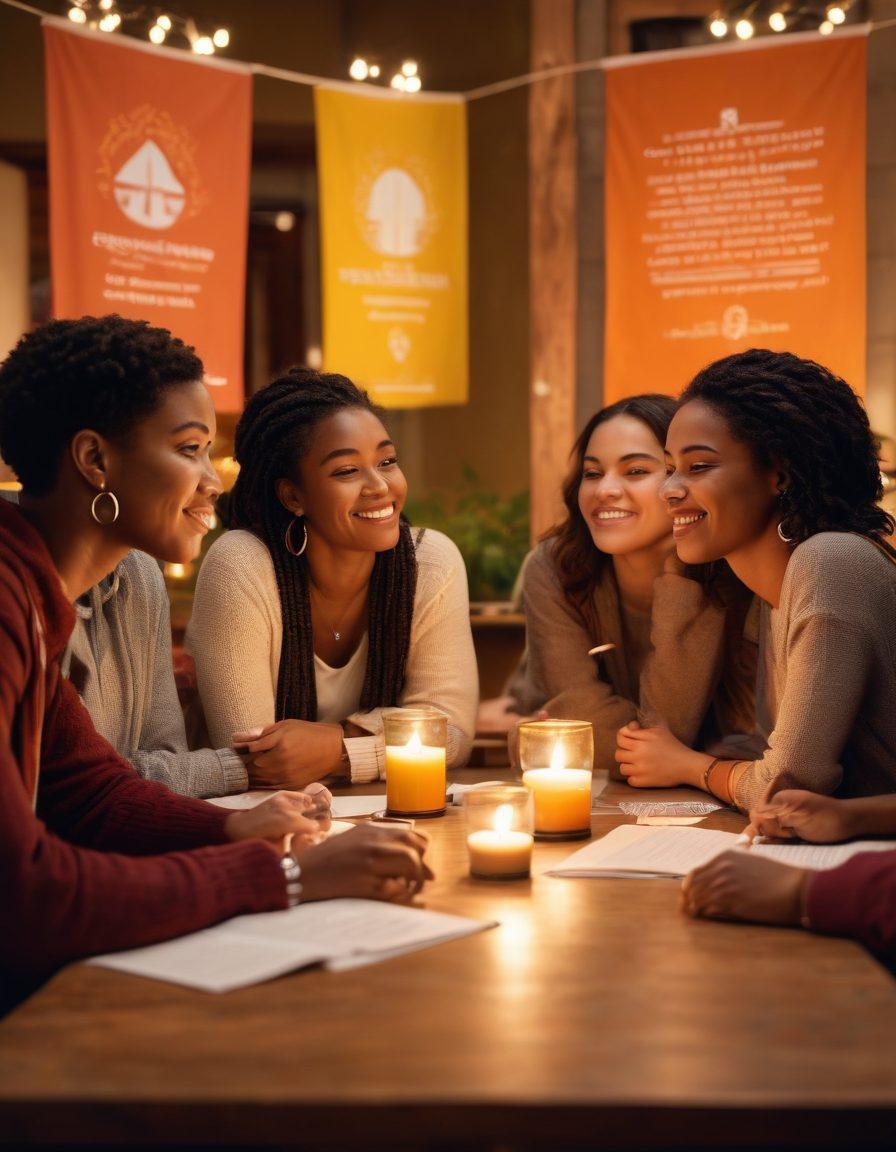
As you embark on your own cancer journey, it's vital to acknowledge that you’re not alone. Join a vibrant cancer community where you can share experiences, hear survivorship stories, and find companionship in your struggles. The power of connecting with others facing similar challenges can be immense. Have you ever wondered how a simple conversation can encourage a fresh perspective? The stories you hear, often woven with challenges and triumphs, can remind you of your own strength and inspire you to seek the resources necessary for your path, be it nutrition for patients or therapeutic options.
One of the most uplifting aspects of navigating cancer is discovering the plethora of resources that exist to support patients. Did you know that cancer resources can include everything from educational materials about cancer symptoms to practical guides on preventive measures? Accessing reliable health blogs and oncology support groups can make a significant difference in your understanding of cancer treatment and innovative approaches in cancer research. Imagine having a supportive network where questions are welcomed, and knowledge is freely shared. What would that mean for your healing process?
When managing your health, a holistic approach can be beneficial. Have you considered complementary therapies alongside traditional treatment methods? From mindfulness to nutrition, these strategies not only serve as cancer fighting strategies but also promote overall well-being. Incorporating a healthy lifestyle into your routine isn’t merely a task; it can become a powerful part of your identity. As you explore these options, remember that psychosocial support is equally important. How do you cultivate strength when facing overwhelming odds? By leaning on loved ones and experts alike, you can harness their support to lift you through the toughest days.
As we reflect on the landscape of resources available, remember that patient support is about more than just information; it’s about fostering a sense of empowerment. The fight against cancer can feel insurmountable, but knowledge truly is power. As you gather information on cancer treatment and engage with others about disease awareness, you’ll find that the tools at your disposal are as diverse as your personal journey. Embrace the resources, connect with advocates, and step forward with courage. After all, it’s your story—and what will you do with it?
Raising Awareness: Understanding Cancer Symptoms and Treatment Options
In a world brimming with medical advancements and a wealth of knowledge, the journey through cancer awareness and treatment options can often feel overwhelming. Many of us are touched by cancer in some shape or form—be it through a loved one, a friend, or even ourselves. It’s crucial that we not only understand the cancer symptoms but also the plethora of therapeutic options available. So, how can we glean information that truly empowers us? Let’s dive into this complex yet fascinating realm of oncology news, and equip ourselves with the tools we need to advocate for patients and foster a supportive cancer community.
Understanding cancer starts with recognizing its symptoms. Some of the most common signs may include unexplained weight loss, fatigue, skin changes, or prolonged cough—some symptoms that can often be dismissed. But what if noticing these changes could lead to earlier interventions and improved outcomes? The key here is awareness. Just as knowledge is power, cancer awareness can be a lifeline. Have you or someone you know experienced any subtle changes in their health? Remember, early detection is critical to effective cancer treatment, and as a community, we must be vigilant.
Once symptoms are acknowledged, navigating the labyrinth of cancer treatment options can seem daunting. From traditional routes like chemotherapy and radiation to complementary therapies including acupuncture and nutritional support, the world of cancer care is diverse. It's essential to stay informed about emerging cancer research which showcases innovative treatments that might not be widely known yet. On a health blog, you can often find survivors enthusiastic about experimental therapies, sharing their journey to inspire hope. Wouldn’t it be incredible if we harnessed the courage and wisdom of these survivorship stories to build a more resilient and informed patient community?
But cancer treatments aren't solely about the physical aspect; they evoke a need for psychosocial support that is equally crucial. Patient advocacy is paramount in ensuring that individuals undergoing treatment are not just seen as patients, but as vibrant human beings with thoughts, feelings, and aspirations. The oncology support available can make all the difference—whether it’s joining a support group online or participating in local initiatives that promote disease awareness, the resources are there to empower patients. So, how can we engage ourselves in these advocacy efforts? What steps can we take to promote a healthy lifestyle and enact preventive measures within our own communities?
At the heart of it all lies the pursuit of a holistic approach to managing cancer: nutrition for patients plays a significant role in recovery and overall well-being. Incorporating a variety of colorful fruits and vegetables can work wonders—not just as an act of nourishment but as a symbol of hope. As we draw to a close, we invite you to reflect on how we can push for better cancer resources, advocate for ourselves and others, and build a community that fosters healing. It's time to harness the power of information and compassion as we navigate this journey together. Let's ask ourselves: are we ready to be the catalysts for change in cancer awareness and support?
Building a Stronger Community: Advocacy and Survivorship Stories for Empowerment
Building a strong community is essential in the fight against cancer, and that starts with each one of us. Imagine standing together with individuals who understand your journey, who can share in your victories and challenges alike. As patients, caregivers, and advocates, it’s critical that we amplify our voices through advocacy and uncover the power of survivorship stories. These narratives not only inspire but also educate, paving the way for increased cancer awareness and shared oncology news that can make a difference in countless lives.
Have you ever wondered what it truly means to be empowered as a cancer patient? Empowerment often begins with awareness — awareness not only of cancer symptoms but also of the available cancer resources that can support individuals on their journey. When we share our survivorship stories, we bring light into the lives of others, making the complex world of cancer treatment more navigable. Moreover, these stories can serve as a catalyst for patient advocacy, ensuring that essential oncology support continues to grow and flourish.
As we delve into the world of complementary therapies and preventive measures, we find incredible ways to enhance patient support. It’s important to acknowledge that becoming aware of your health is the first step towards leading a healthier lifestyle. What if you could gain control over your journey just by changing your nutrition for patients or embracing therapeutic options that have shown benefits to others? Stories of hope and resilience can ignite a spark, pushing the community to strive for earlier diagnoses and innovative cancer research.
In this interconnected cancer community, we should actively seek avenues for psychosocial support. After all, cancer is not just a physical battle; it can lead to emotional turmoil as well. Questions arise about treatment choices, fears about the future, and even day-to-day struggles, and having access to these resources can make such a significant difference. What can we do to foster these relationships? Listening to each other's experiences and sharing advice helps us learn new cancer fighting strategies and further equips us to tackle the challenges that lie ahead.
By coming together to share our experiences, we create a tapestry of strength, resilience, and hope. Our advocacy efforts shouldn't stop with merely sharing our stories; they must be accompanied by action. Engaging with local health blogs, participating in awareness campaigns, and connecting with fellow survivors will expand the network of support available to current patients navigating their journeys. Through these collective efforts, we can ensure that the vision of thriving beyond cancer becomes a reality for many more individuals and their families.